
Art / Funiture
加工によって生まれる素材感を生かしたデザイン
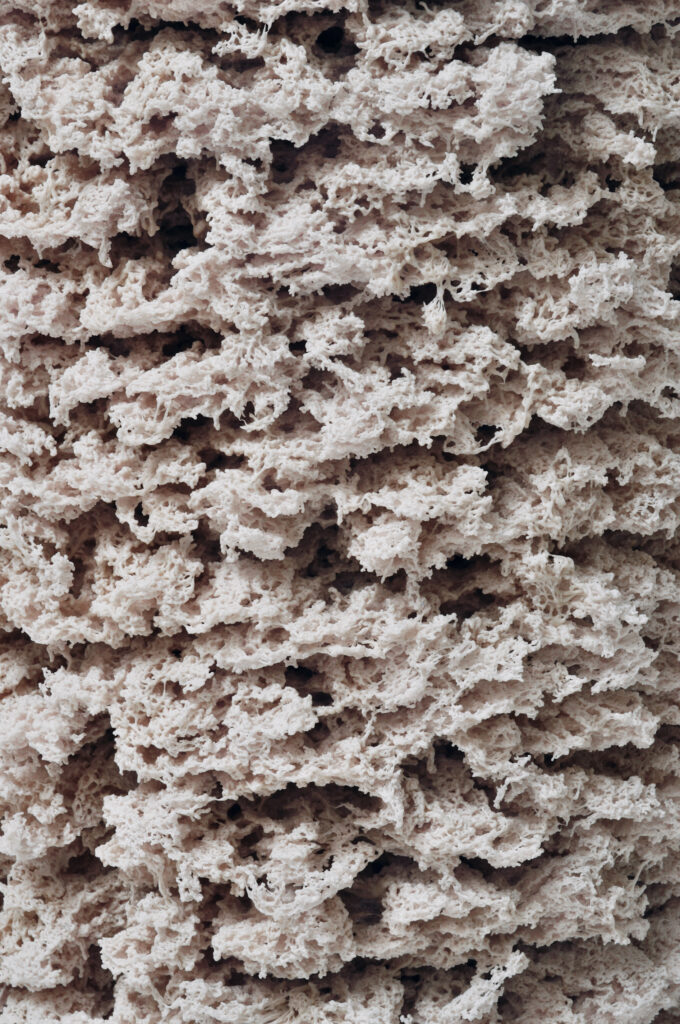
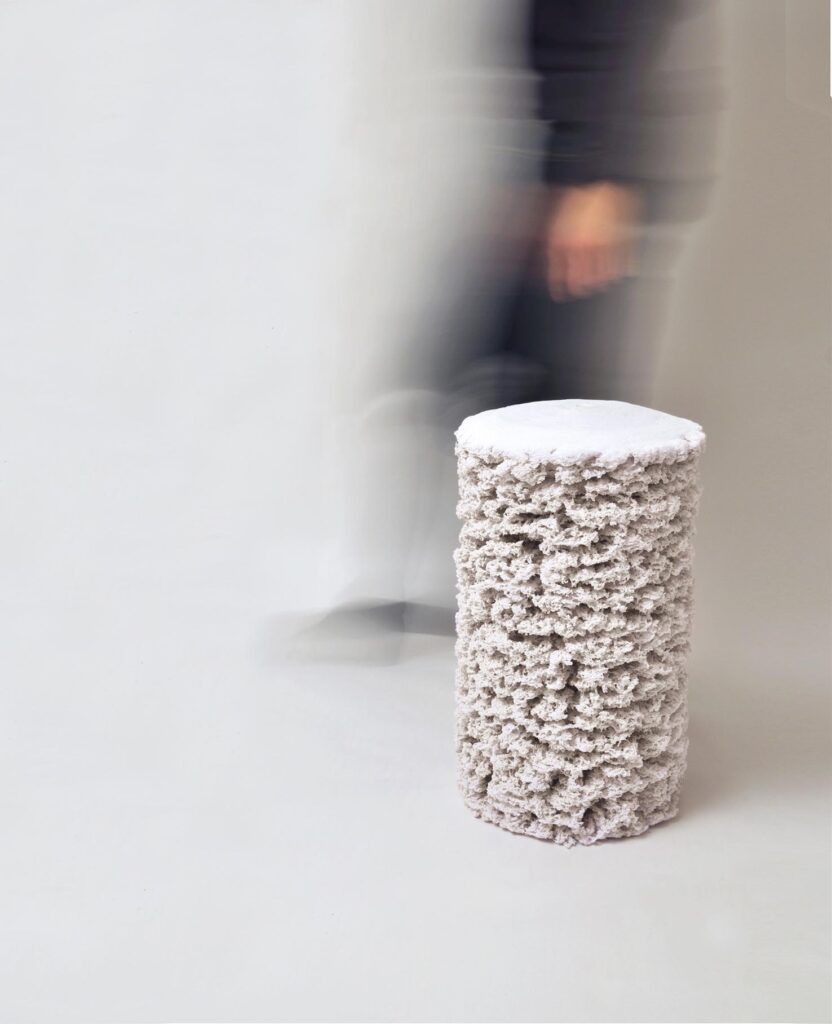
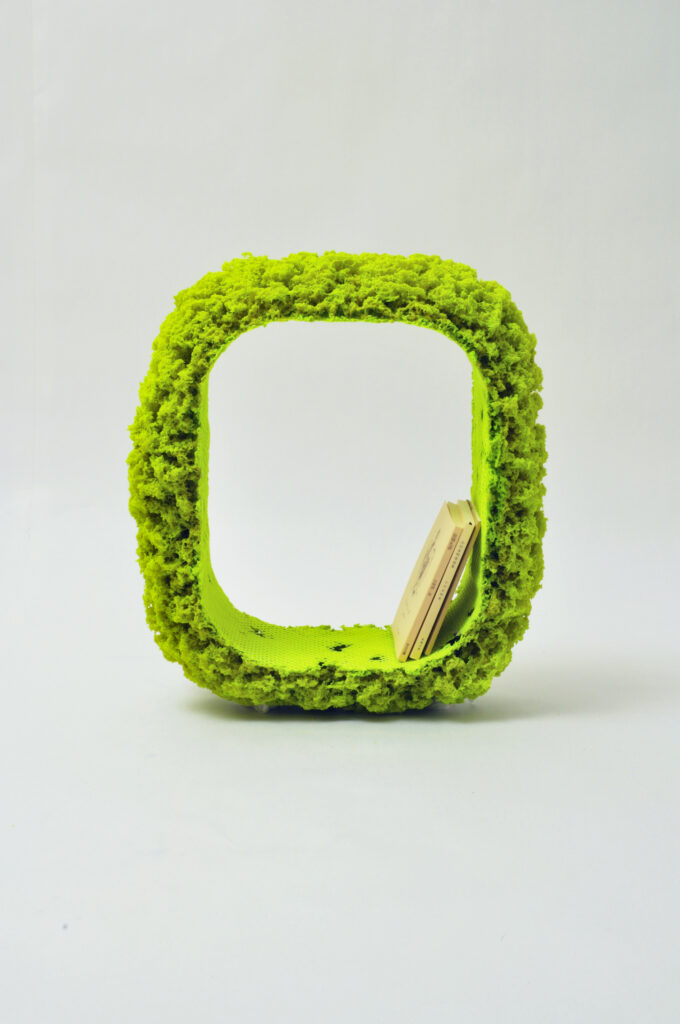
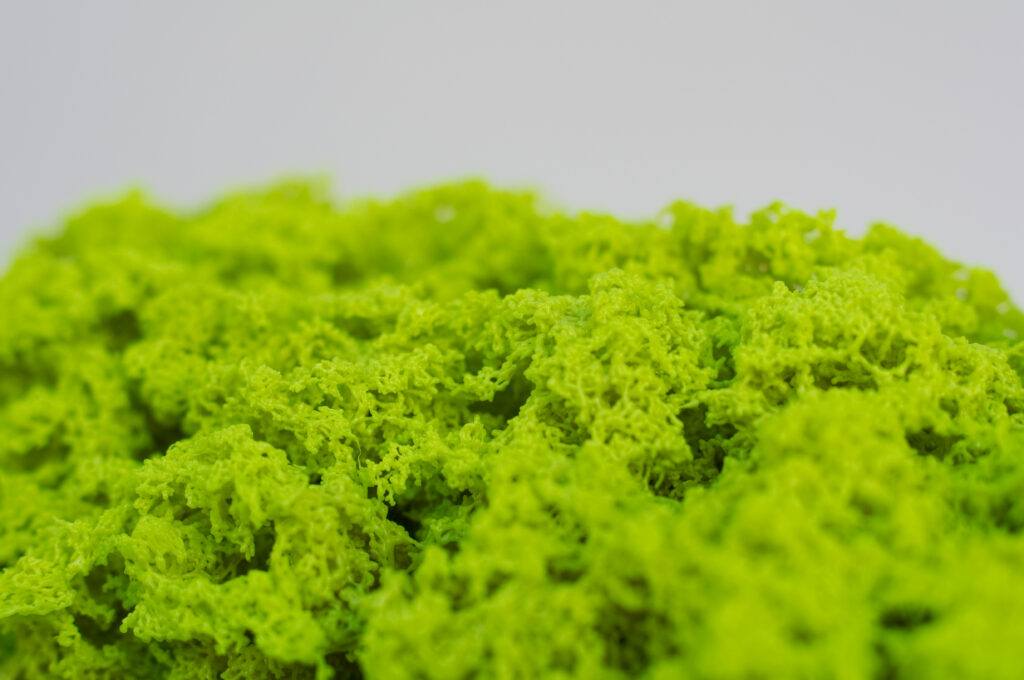
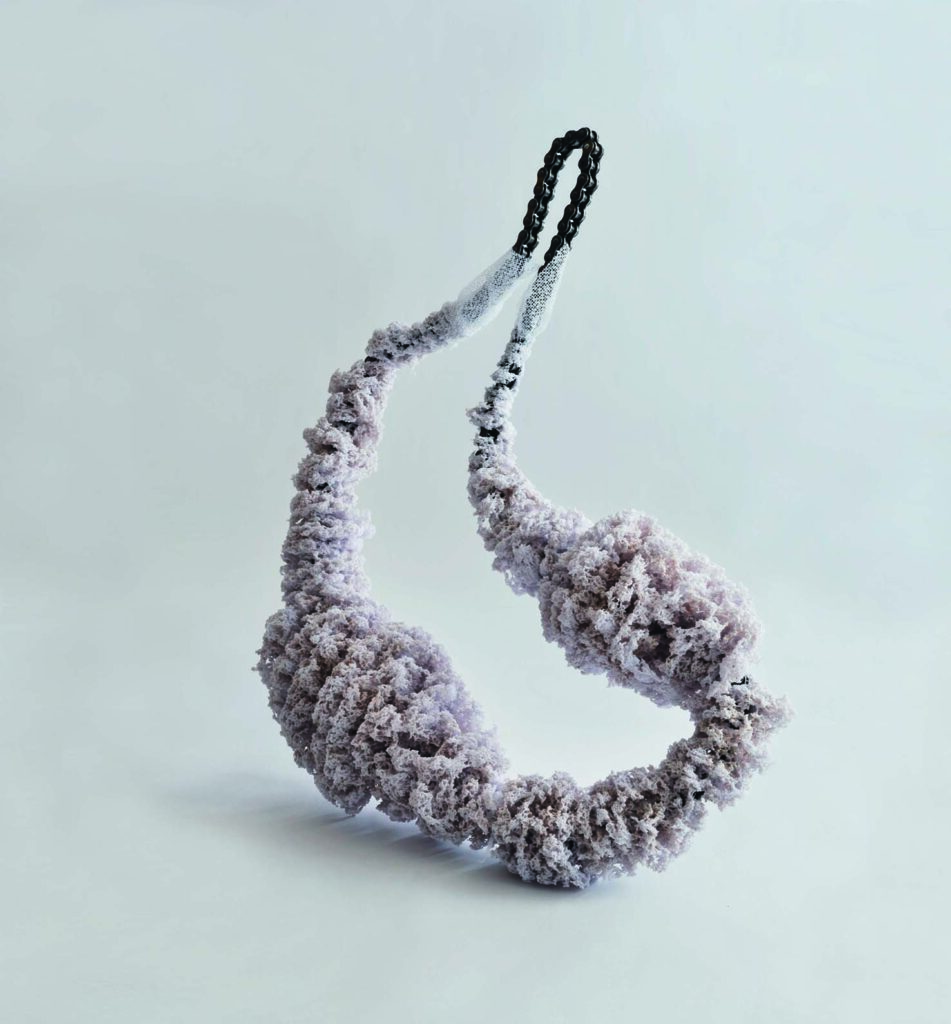
Melt Up Furniture Collection では、ポリエステル生地を用いた独自の成形手法を開発しました。カーテンの生産過程で生まれる不良生地や長期在庫生地を利用して制作されています。本プロジェクトは、ポリエステル生地の熱可塑性を利用して、生地を加熱し、フレームに沿って溶かしながら成形することで、その素材が持つ新たな可能性を探るものです。
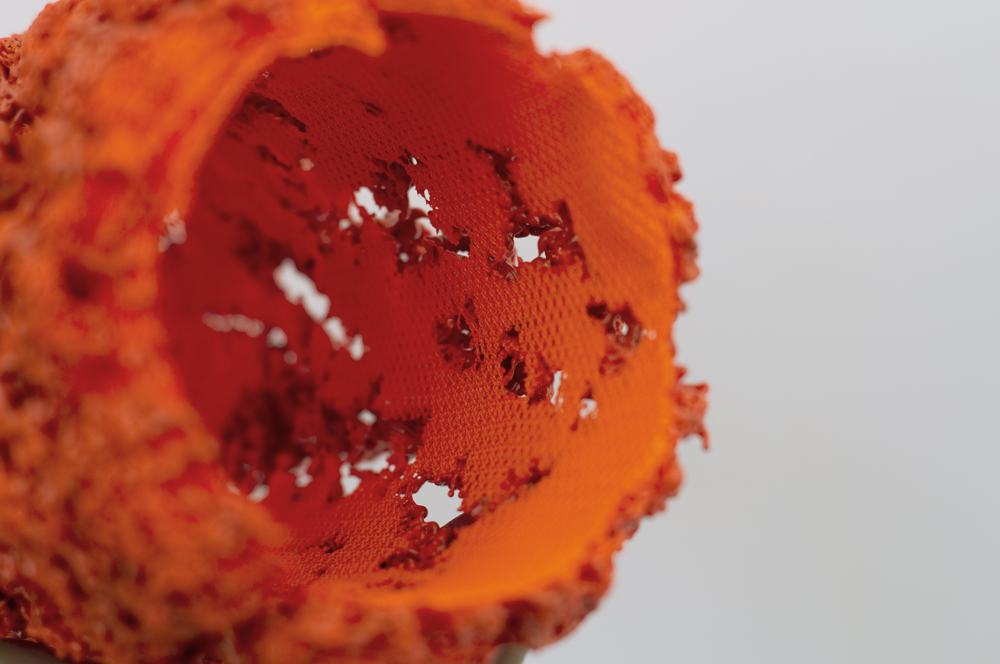
こうして生まれた造形は、自然素材を思わせる触感と人工素材という相反する要素を併せ持っています。一般的に行われるような、金型で意図した形状を成形する手法とは異なり、本プロセスでは加工で生まれる形状と質感を生かしたデザインです。
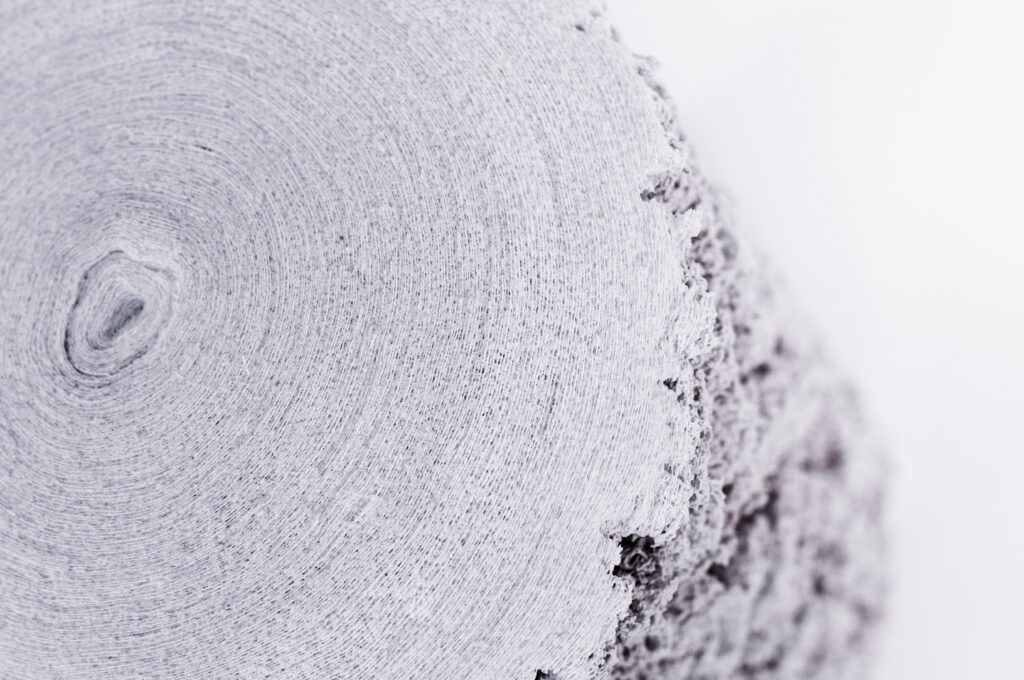
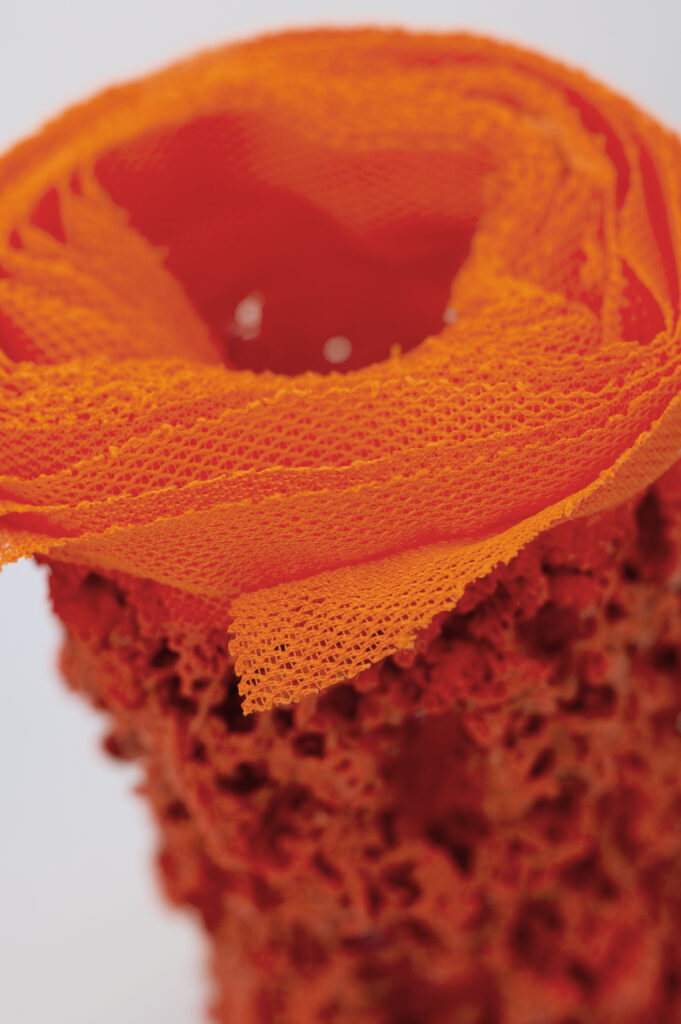
従来の成形品と比較すると、いくつかの明確な違いが見られます。第一に、布と樹脂の境界が存在しないこと。第二に、繊維素材をフレームに巻き付けながら成形できるため、自由度が高く、形状をコントロールしやすい点です。積層する層の数を調整することで、最終的なボリュームや密度を自在に変化させることができます。
A Design that Embraces Material Qualities Shaped Through Process
For the Melt Up Furniture Collection, Yasuhiro Suzuki developed an original molding technique using polyester fiber. The project explores the potential of this synthetic material by heating it to a temperature at which it softens and melts around a framework. Once formed, the material is left untouched to cool and harden naturally.
The resulting pieces juxtapose contrasting qualities—natural, tactile textures and artificial materials. Rather than shaping a solid mass and subsequently removing material, this process maintains the same amount of fiber throughout the entire creative process. The tactile surface is formed through the accumulation of fibers, not through subtraction.
Compared to conventional resin molding methods, this technique presents several key differences. First, there is no clear boundary between textile and resin-like form. Second, the flexible nature of the textile allows it to be easily wrapped around a framework, making the molding process highly adaptable. By adjusting the number of layers, the volume and density of the final object can be precisely controlled.
Credit |
Client : Self Project
Photo:Yasuhiro Suzuki