
Lighting
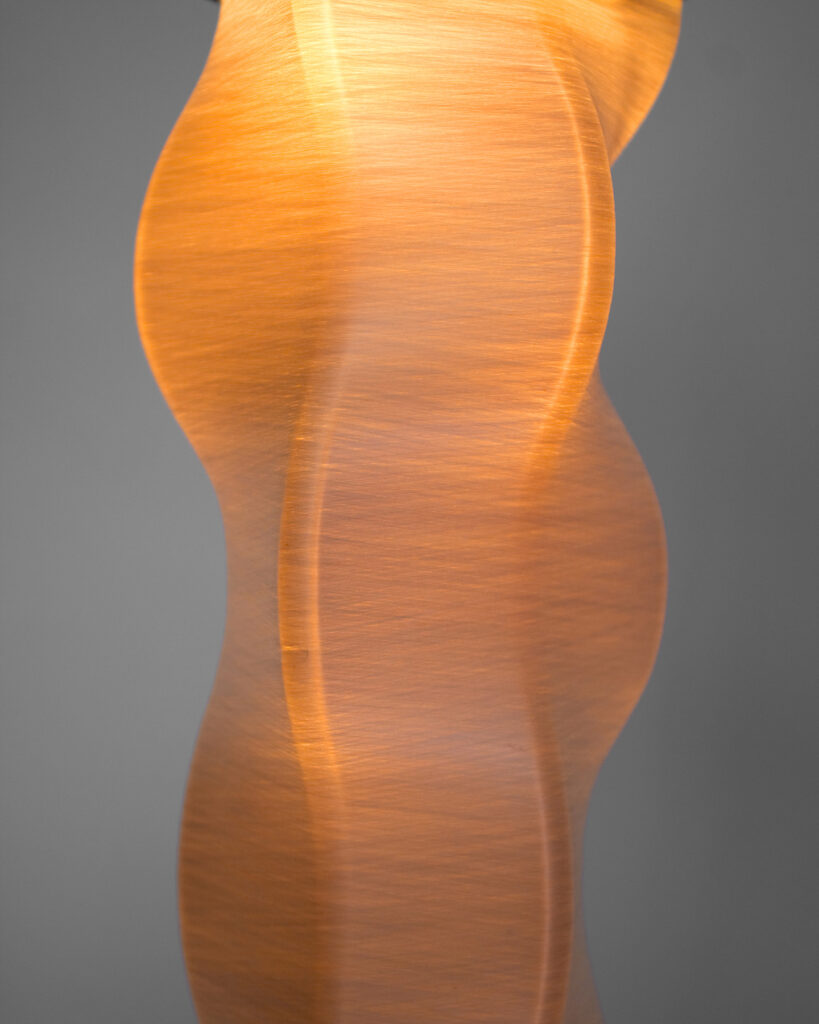
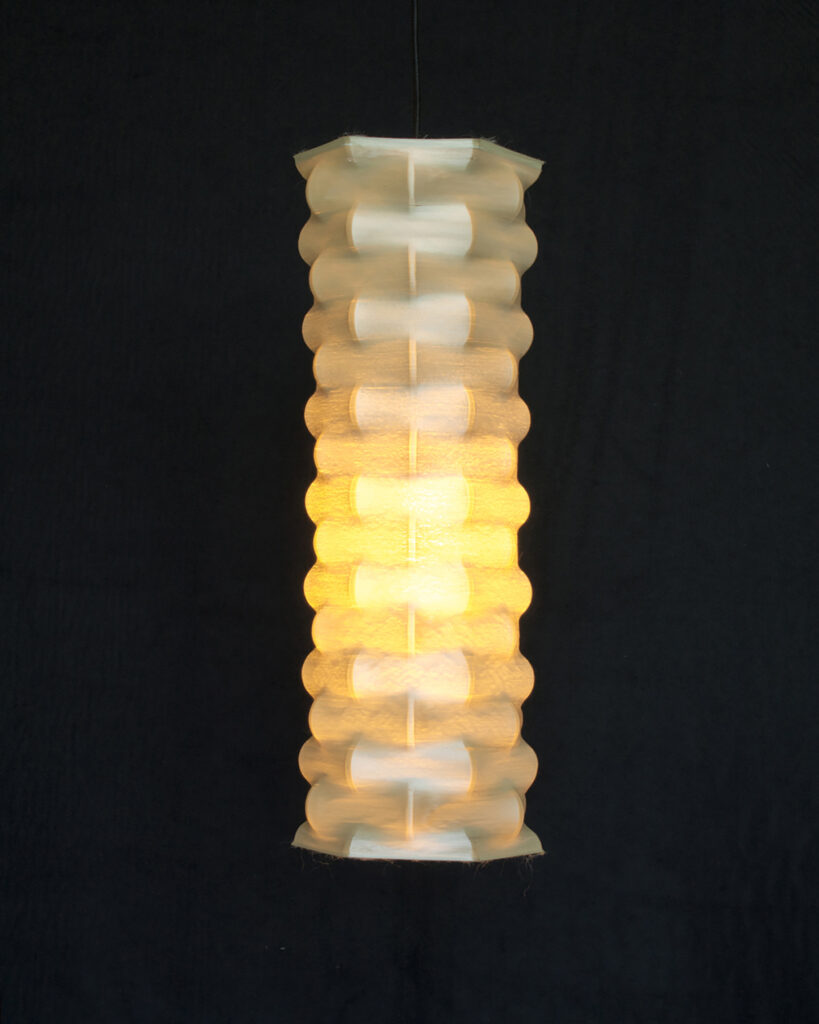
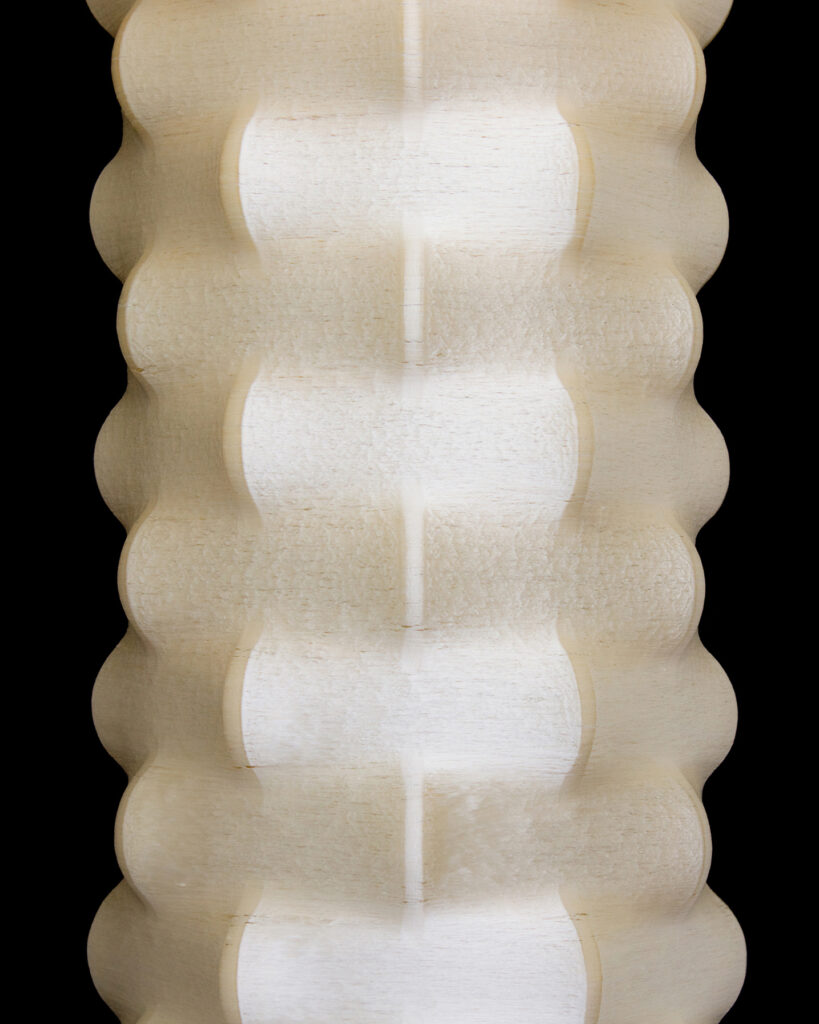
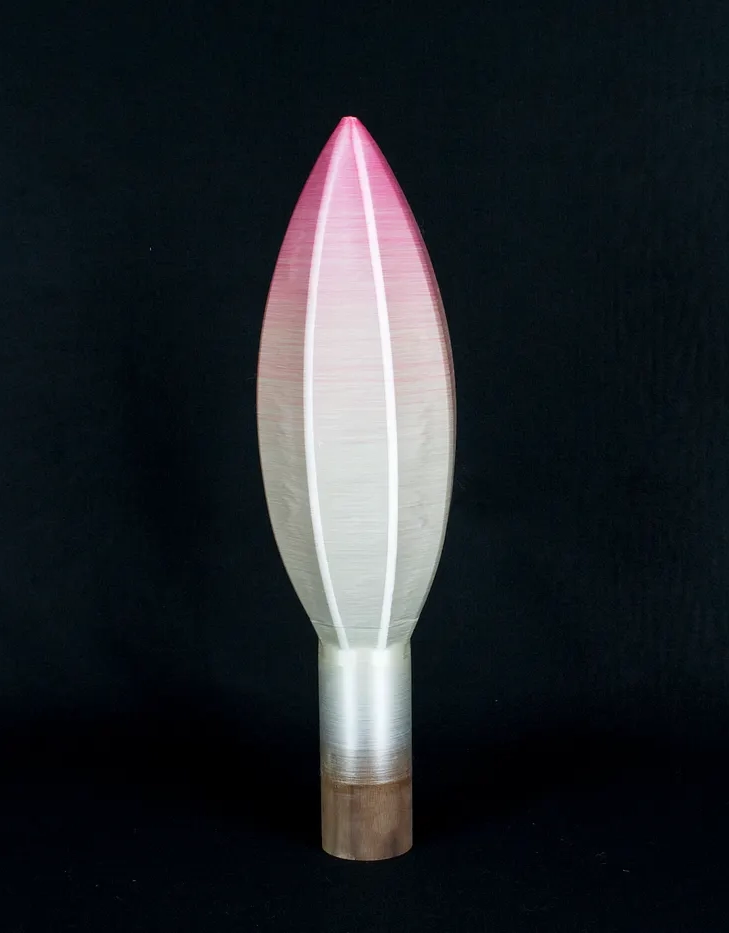
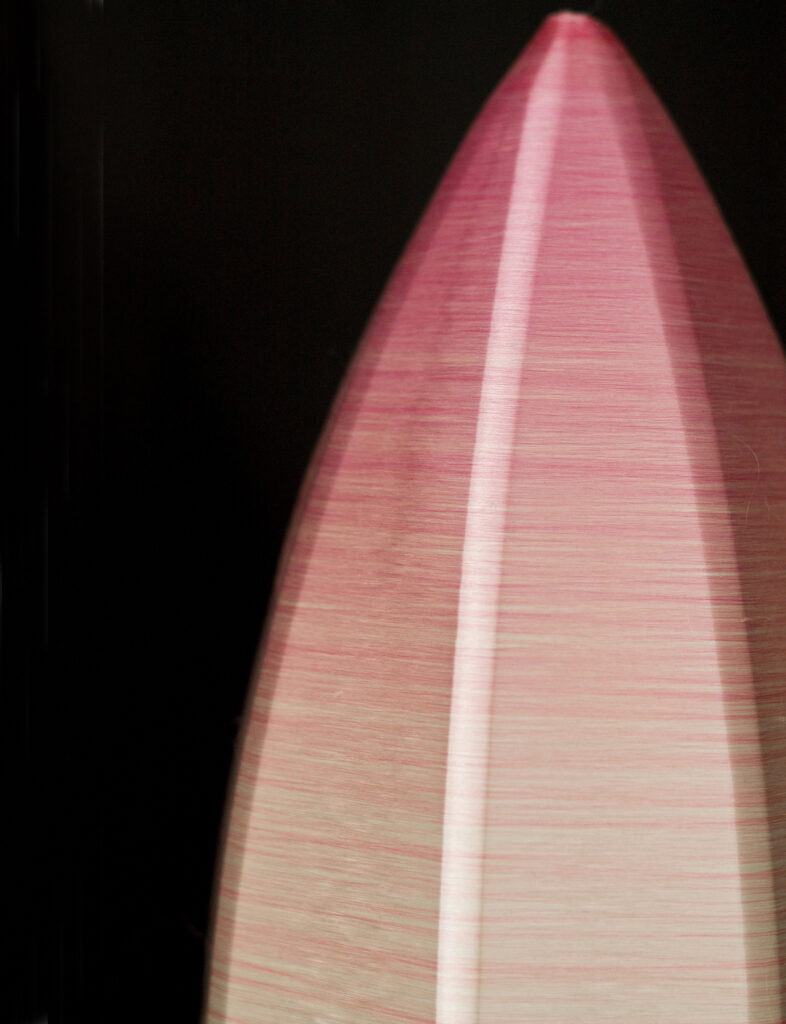
絹の生成プロセスから生まれる照明構造
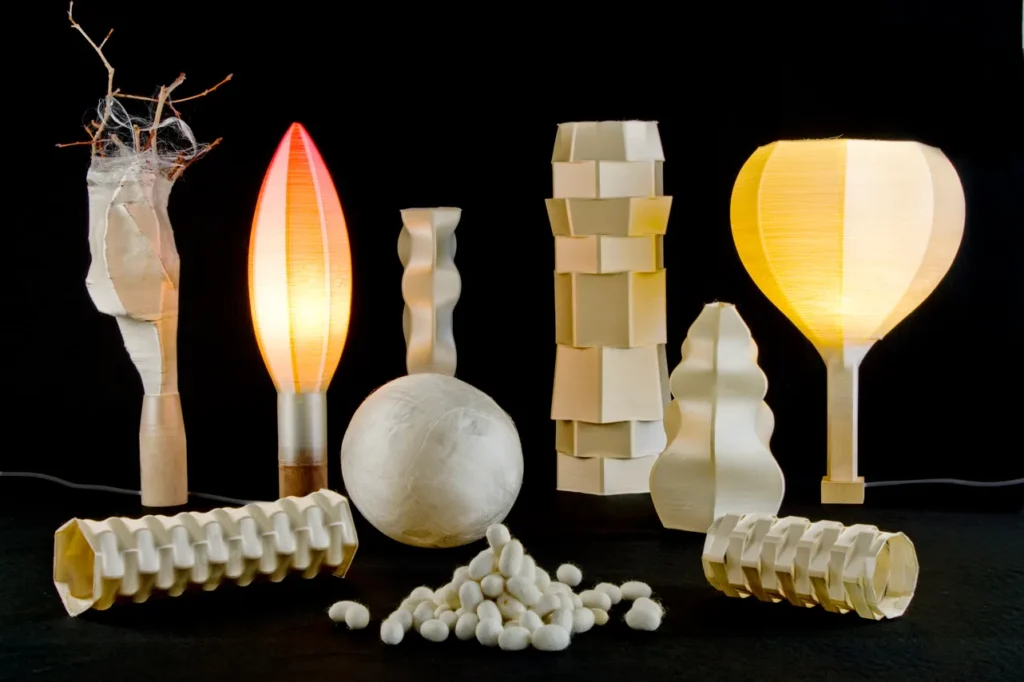
イギリス・Royal College of Artの修了制作展「SHOW RCA 2014」にて発表した、蚕の繭から直接絹糸を巻き取り、照明用シェードを成形するプロジェクト「Re Cocoon project」を紹介します。
絹は耐熱性に優れ、動物繊維の中でも最も軽い素材のひとつです。ひとつの繭からは約1〜1.5kmもの絹糸が生成され、繭には「セリシン」と呼ばれる天然のニカワ成分が含まれています。
本プロジェクトは、こうした絹織物の製造工程や素材特性のリサーチから得られた知見をもとに、照明のシェードとして機能する新たなストラクチャを探求するものです。
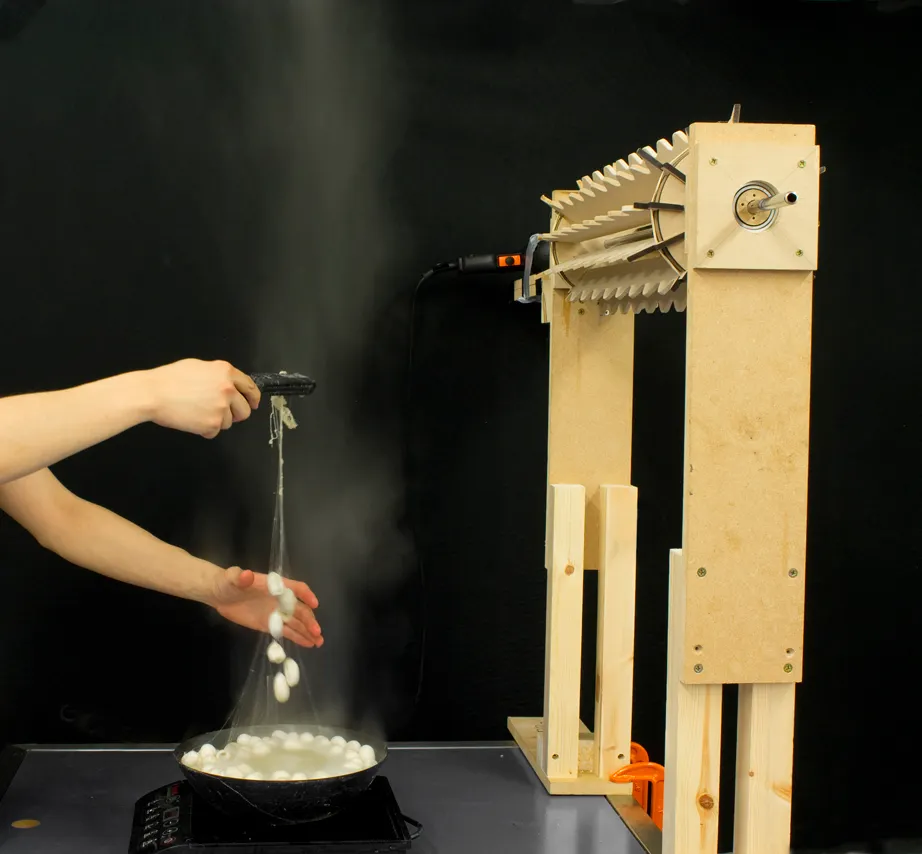
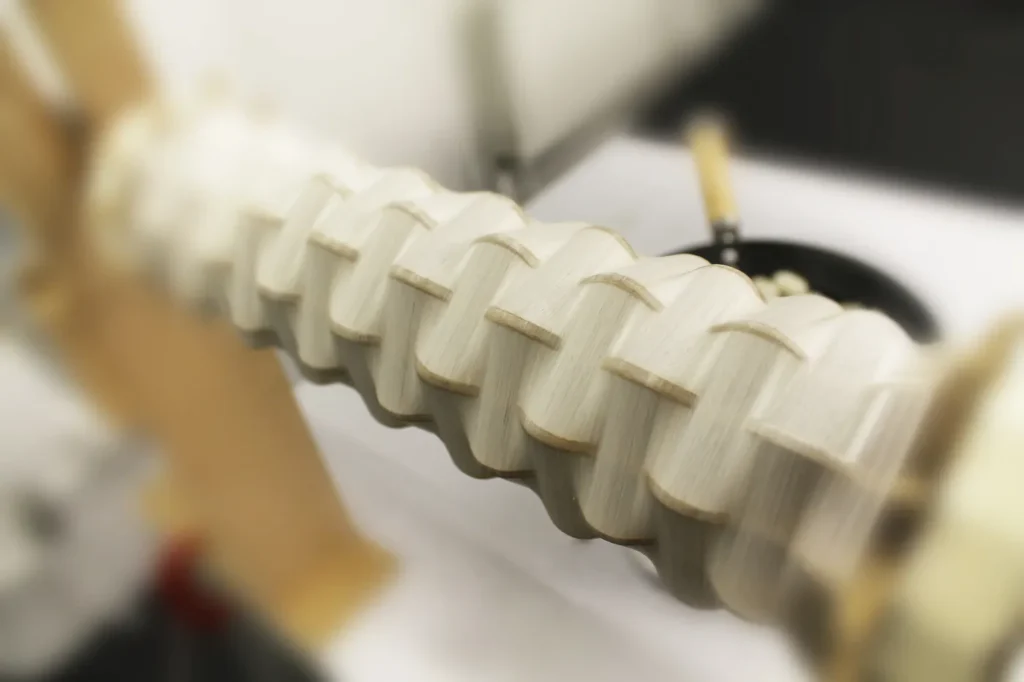
繭を煮てほぐした絹糸を、直接型に巻き取ることで形状を成形します。繭に含まれるセリシンが接着剤の役割を果たすため、形状を保つための強固な骨組みを必要としません。
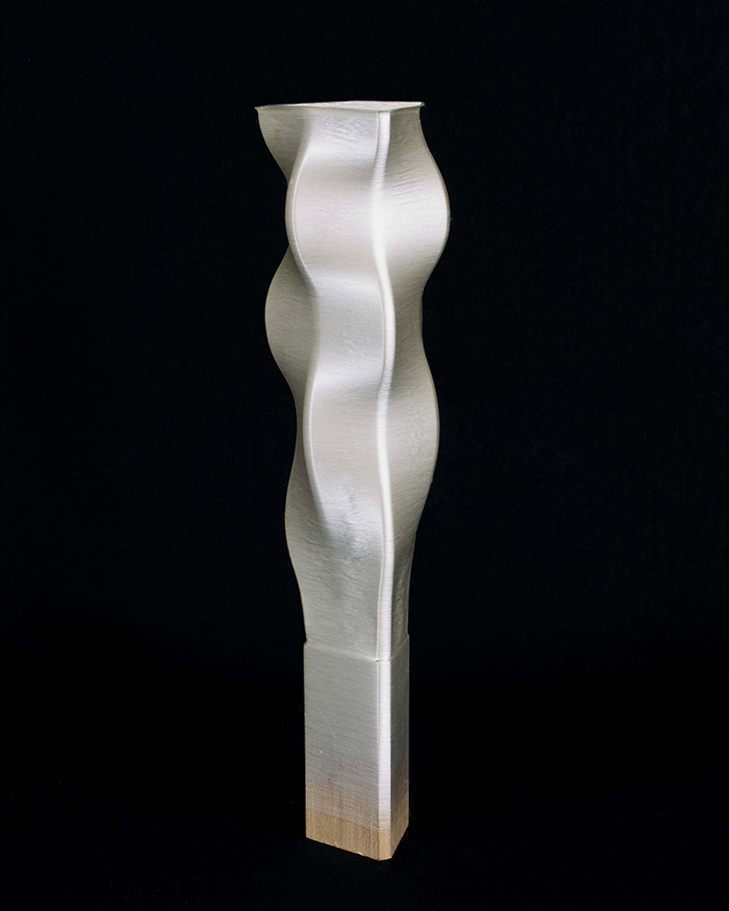
蚕の繭から途切れることなく絹糸を巻き取ることで生まれる、光をやさしく包み込む新しい「繭」。
素材が本来持つ特性を最大限に活かし、ひとつの素材(蚕繭)だけで機能性と成形方法を成立させている点が、このプロジェクトの大きな特徴です。
A Lighting Structure Derived from the Silk-Making Process
The Re Cocoon Project was presented at SHOW RCA 2014, the graduation exhibition of the Royal College of Art in the UK. This project explores a method of creating lighting shades by directly winding silk fibers extracted from silkworm cocoons.
Silk is a highly heat-resistant material and one of the lightest animal fibers. A single cocoon produces approximately 1 to 1.5 kilometers of silk filament, and the cocoon itself contains a natural adhesive protein called sericin.
Through research into traditional silk production processes and the intrinsic properties of silk, this project investigates the possibility of forming a structural lighting shade using the material alone.
By boiling the cocoons and winding the loosened silk fibers directly onto a mold, the structure is shaped without the need for a rigid frame. The sericin contained in the cocoon acts as a natural binder, allowing the form to retain its shape independently.
The result is a new type of cocoon that softly encloses light, created through the continuous winding of silk fibers drawn directly from silkworm cocoons.
The project highlights the potential of silk by fully utilizing the inherent characteristics of the material, achieving both functionality and form through a single natural resource.
Credit |
Client : Self Project
Photo:Yasuhiro Suzuki